
 inglés
 francés
 español
 ruso
ruso coreano
 Japonés japonés


Quercetin Anhydrous Powder 98% (Ultra-Low Moisture Grade)
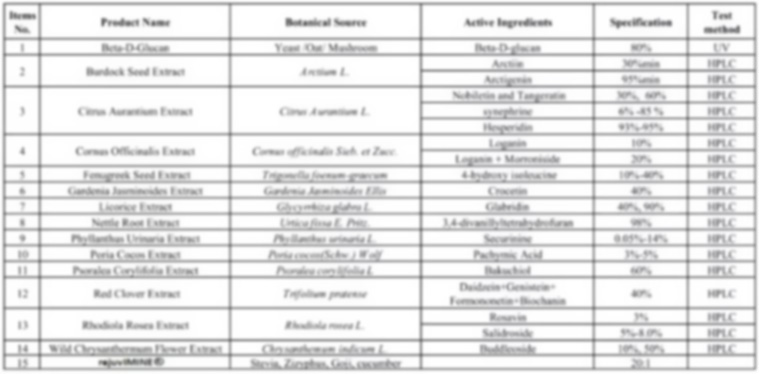
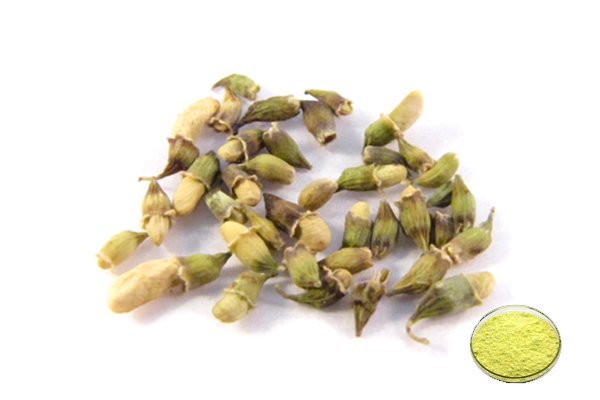
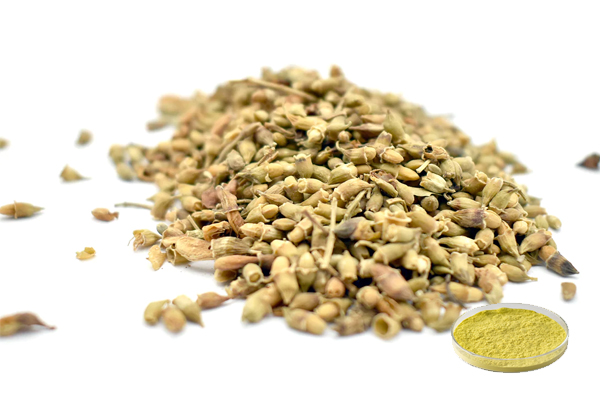
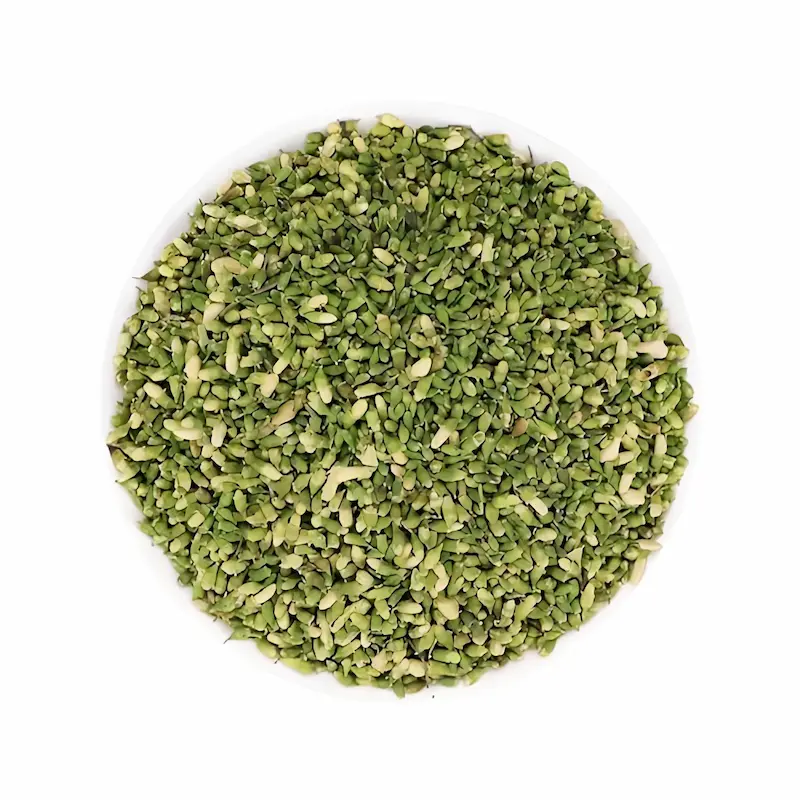
BotanicalSource:SophorajaponicaL.(Dried flowers and buds)
Ensayo: ≥98.0% (On Anhydrous Basis)
Método de ensayo: HPLC
Loss on Drying: ≤1.0% (Typically ≤0.5%) (USP <731> / EP 2.2.32)
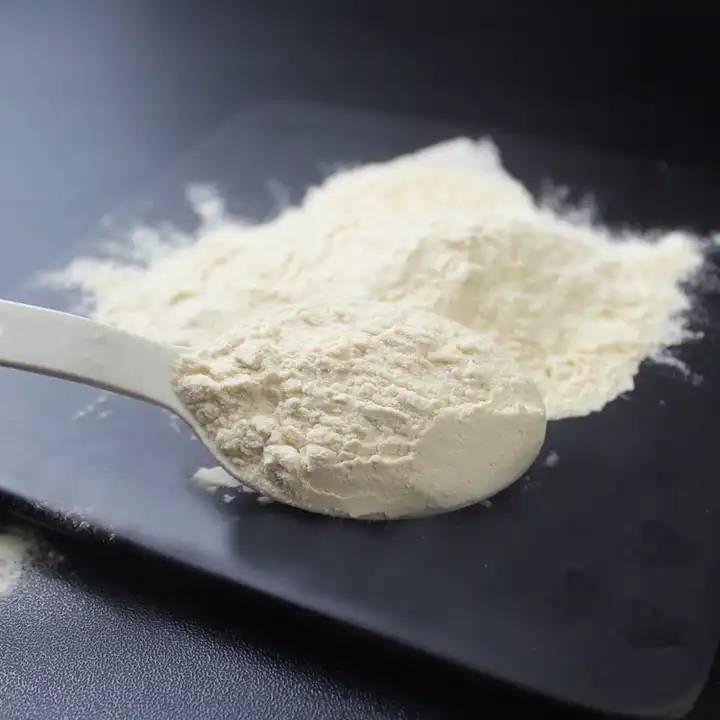
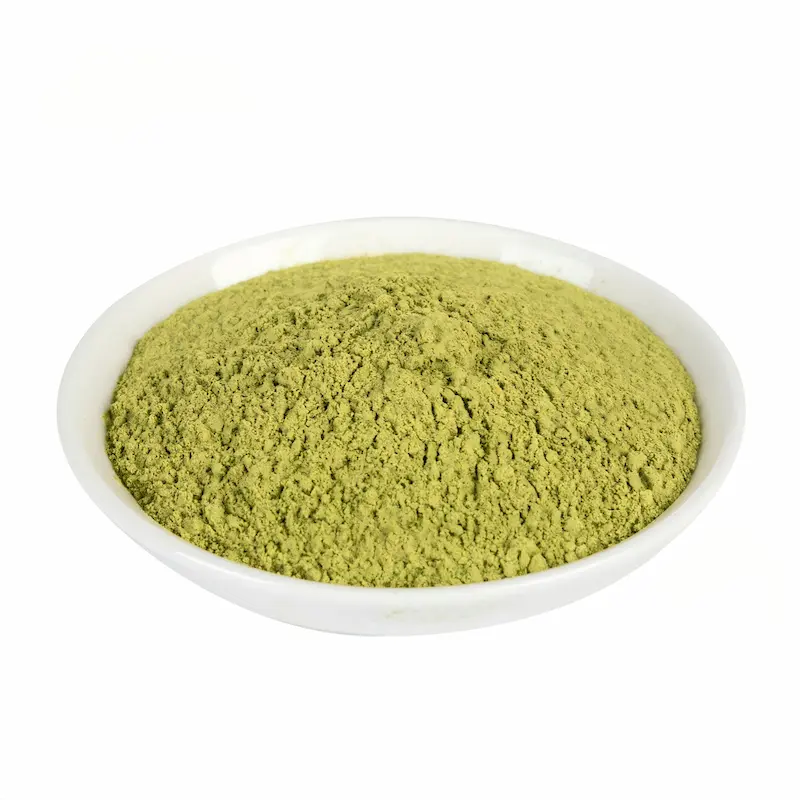
Aspecto: Fine yellow crystalline powder
Regulatory Standards: Complies with USP <467>, USP <233>, EP 2.4.24, and (EC) No 396/2005
Certificates: BRCGS, IFS, COSMOS, Halal, Kosher, Organic (USDA/EU)
Sample: 10-50g Free Sample Available for R&D
- descripción
- Hoja de datos
-
What is Quercetin Anhydrous Powder?
Quercetin Anhydrous Powder is an ultra-low moisture, botanical bioflavonoid aglycone crystalline compound isolated from the dried flowers and buds of Sophora japonica L. Subjected to a specialized technical thermal dehydration process, the material is standardized via HPLC to a purity profile of ≥98.0%, with the critical residual water content strictly controlled at <1.0%. Manufactured by Tecnología de primavera verde, this anhydrous specification features a modified physical matrix engineered specifically to prevent cross-reactive moisture transfer in industrial solid dosages.
Compared to standard dihydrate forms, the highly pure aglycone crystalline network provides documented superior thermal stability and resistance to chemical oxidation. The refined material optimization increases bulk density and stabilizes particle flowability, making this ultra-low moisture grade an essential industrial constituent for extending shelf-life stability in complex, highly hygroscopic multi-ingredient formulations, including hard gelatin capsules, vegetable capsules, and solid dosage blends.
especificación
Nombre del producto
Quercetin Anhydrous Powder
Nombre latino
Sophora japonica L.
CAS No.
117-39-5
Plant Part Used
Dried flowers and buds
Principios activos
Quercetin Anhydrous (Aglycone)
Ensayo ensayo
≥98.0% (On Anhydrous Basis)
Método de ensayo
HPLC
apariencia
Fine yellow crystalline powder
Mesh Size 100% through 80 mesh Loss on Drying ≤1.0% (Typically ≤0.5%) (USP <731> / EP 2.2.32) Bulk Density 0.45 – 0.65 g/mL Tapped Density 0.65 – 0.85 g/mL Residual Solvents Complies with USP <467> and EP 2.4.24 limits (Methanol / Ethanol control) Heavy Metals Pb ≤1.0 ppm; As ≤1.0 ppm; Cd ≤0.1 ppm; Hg ≤0.1 ppm (Compliant with USP <233> / EP 2.4.20) Residuos de plaguicidas Complies with European Regulation (EC) No 396/2005 Standard ¿Busca un presupuesto?Póngase en contacto con nosotrosRequest a Custom QuoteQuality & Compliance
Global System Certifications: Manufacturing infrastructure and processing operations conform to verified BRCGS, IFS, ISO 9001, and ISO 22000 quality management standards to support cross-border commercial customs clearance.
International Organic Status: Bulk materials maintain documented USDA Organic and EU Organic status, establishing regulatory compliance for international clean-label food and supplement formulation accessibility.
Elemental Contaminant Controls: Batch testing via ICP-MS verifies individual heavy metal limits adhere to pharmacopeial parameters (Pb ≤1.0 ppm, As ≤1.0 ppm, Cd ≤0.1 ppm, Hg ≤0.1 ppm), with pesticide residues and PAHs compliant with European Commission regulations.
Organic Solvent Restrictions: Extraction processes utilize exclusively purified water and food-grade ethanol. Analytical data packets confirm residual solvents satisfy USP <467> and EP 2.4.24 requirements, verifying control thresholds for methanol and acetone residues.
Microbiological Security Profiles: Standard quality control protocols enforce strict biological risk limits, verifying Total Plate Count ≤1,000 cfu/g and Yeast & Mold ≤100 cfu/g, with documented absence of E. coli and Salmonella per pharmacopeial testing frequencies to accelerate internal QA/QC vendor qualification.

Key Advantages
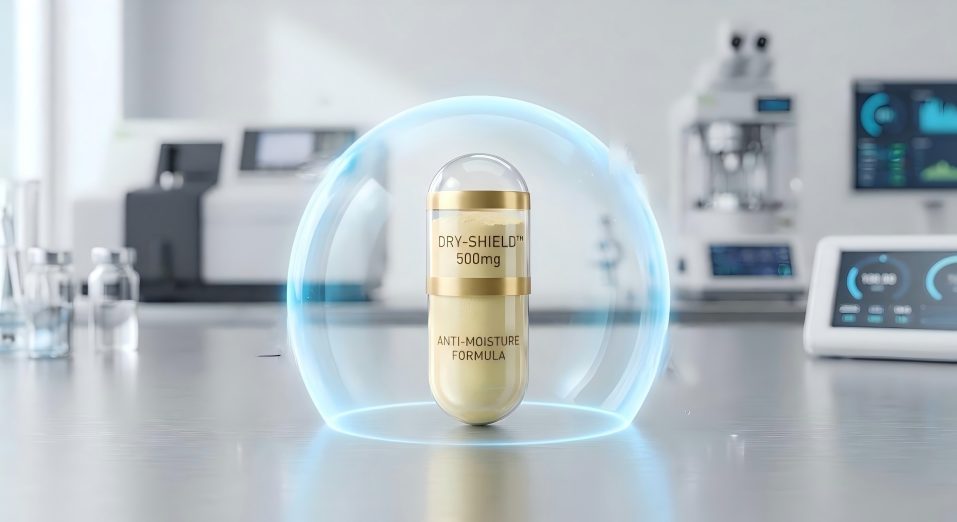
Advanced Thermal Dehydration Stability: Industrial moisture restriction to <1.0% prevents cross-reactive moisture transfer in solid oral delivery systems. This stabilized crystalline structure actively mitigates the hygroscopic degradation of adjacent active raw materials in matrix formulations.
Compatibility with Acidic & Sensitive Actives: The anhydrous crystalline configuration prevents chemical interaction, localized spotting, or capsule shell softening during industrial blending. The material preserves formulation integrity when combined with highly hygroscopic or acidic compounds, including zinc matrixes and Ascorbic Acid (Vitamin C).
Optimized Powder Logistics & Processability: Featuring a standardized bulk density range of 0.45–0.65 g/mL and a tapped density range of 0.65–0.85 g/mL, the refined crystalline structure prevents particle segregation during automated processing. The controlled physical matrix supports reliable flowability on high-speed automatic encapsulation and tablet compression lines.
100% Botanical Clean Label: Derived exclusively from the dried flowers and buds of Sophora japonica L., the pure aglycone matrix is free from synthetic carriers, chemical anti-caking agents, or irradiation treatment, satisfying international regulatory clean-label and COSMOS-approved criteria for topical applications.
Applications
Moisture-Sensitive Dietary Supplements: Standardized for industrial-scale anhydrous quercetin powder sourcing applications, the ingredient provides an ultra-low moisture aglycone constituent for water-sensitive solid oral delivery systems, including hard gelatin capsules, HPMC vegetable capsules, and compressed tablets. This grade serves as a core active in multi-ingredient antioxidant profiles where residual hydration must be strictly minimized to prevent active ingredient cross-degradation.
Advanced Nutraceutical Complexes: Tailored for reactive solid dosage matrices combining highly hygroscopic or acidic bulk materials, including zinc matrixes, Ascorbic Acid (Vitamin C), and crystalline amino acid powders. The material configuration controls localized water activity, making it a critical formulation solution for moisture-sensitive oral solid dosages to eliminate capsule shell softening and preserve compound shelf-life stability during industrial storage.
Functional Food & Solid Beverages: Engineered for dry-blending processing lines, this material expands options for ultra-low moisture botanical extracts applicable for instant premium powder stick packs, dry-mix protein shakes, and nutritional meal replacement bases. The standardized 100% through 80 mesh granulometry enables homogeneous integration into dry food matrices without altered physical stratification.
Topical Cosmetics & Personal Care: Compliant with COSMOS-approved verification standards, the natural bioflavonoid functions as a stable topical antioxidant. Technical compatibility is strictly restricted to anhydrous formulations, anhydrous solid pressed balms, and lipophilic suspensions, or incorporates into localized skincare creams that chemically accommodate solid dispersed crystalline micro-particles.
Technical FAQ
Q1: What protocols prevent moisture re-absorption in Quercetin Anhydrous Powder 98% during industrial storage?
A: The material is packaged in heat-sealed, double-layer anti-static bags nested within aluminum foil barrier drums to mitigate atmospheric humidity transmission. Factory processing and blending are recommended under a controlled environmental baseline of RH <40% to preserve the standardized ultra-low moisture profile of <1.0%.
Q2: How does the matrix of quercetin anhydrous powder impact flowability and compaction profiles during automated tablet compression?
A: The anhydrous matrix exhibits a documented bulk density of 0.45–0.65 g/mL. To counteract potential reductions in tablet compactibility or increased friability associated with the loss of crystal-bound water, incorporating plastic binders such as Microcrystalline Cellulose (MCC) is advised during large-scale formulation.
Q3: What residual solvent thresholds are verified in anhydrous quercetin to satisfy international regulatory monographs?
A: The ethanol-water extraction sequence is verified via GC-MS screening to ensure compliance with international monograph limits regarding Class 1 toxic solvents. Residual ethanol remains controlled at ≤5,000 ppm and methanol at <3,000 ppm, satisfying current USP <467> and EP regulatory thresholds for cross-border customs clearance.
Why Partner with Green Spring Technology?
26-Year Phytochemical Expertise: Operating as an industrial botanical extraction manufacturer since 2000, Green Spring Technology specializes in batch-stable bioflavonoid isolation and ingredient standardization for global food, beverage, and nutraceutical industries.
International Regulatory Compliance: Manufacturing facilities and processing operations conform to verified BRCGS, IFS, ISO 9001, and ISO 22000 quality management standards to support cross-border commercial customs clearance.
Traceable QA/QC Supply Chain: Utilizing an in-house testing laboratory equipped with analytical HPLC, GC, and ICP-MS instrumentation, the infrastructure enables comprehensive seed-to-extract traceability, verified batch uniformity, and documented transparency from raw materials to final bulk delivery.
-
Download Data Sheet: COA, TDS, MSDS Please fill in the form below to receive the full technical documents via email.