

 inglés
 francés
 español
 ruso
ruso coreano
 Japonés japonés
Farewell to Synthetic Colors: Phycocyanin Ushers in the Era of Natural Blue for Food & Beverage
Amid the industry-wide pursuit of health and natural ingredients in the food and beverage sector, a quiet revolution centered on “blue” is unfolding. Synthetic blue dyes, once dominant in the market, now face unprecedented challenges and transformation.
The Growing Dilemma of Synthetic Dyes
In recent years, regulatory scrutiny on synthetic dyes has intensified across multiple global markets. Research indicates that multiple synthetic blue dyes, including Brilliant Blue FCF and Indigo Carmine, may have potential impacts on children's behavior and health. This has prompted regions like the European Union to strengthen usage restrictions.
Simultaneously, modern consumers' awareness of food ingredients continues to rise, with over 75% deliberately avoiding products containing artificial colors during purchasing decisions. A procurement director at a major international retailer revealed: “We have completely phased out synthetic dyes from our private-label products—an inevitable choice in response to consumer demand.”
The Clean Label Movement Sweeps the Globe
In this transformation, “clean label” has evolved from a marketing concept into an industry standard. Recent market research indicates:
·The global clean label food market is projected to reach $60 billion by 2025
·89% of consumers are willing to pay a premium for products using natural ingredients
· “No artificial additives” has become a key selling point for product innovation
An industry expert notes: “This represents not just a change in ingredient lists, but a fundamental shift in the industry's value system. Consumers seek not only safety, but transparency and authenticity.”
Phycocyanin Seizes Development Opportunity
Against this backdrop, phycocyanin has emerged as an ideal alternative to synthetic blue dyes due to its unique advantages. Derived from natural spirulina, it not only provides vibrant blue coloration but also offers nutritional value as a protein source. With breakthroughs in extraction technology and the realization of large-scale production, phycocyanin is transitioning from a niche ingredient to the mainstream market.
“We are at a turning point,” stated the R&D Director of a renowned beverage company. “The maturation of phycocyanin technology finally allows us to meet consumer demands for pure formulations while maintaining the visual appeal of our products.”
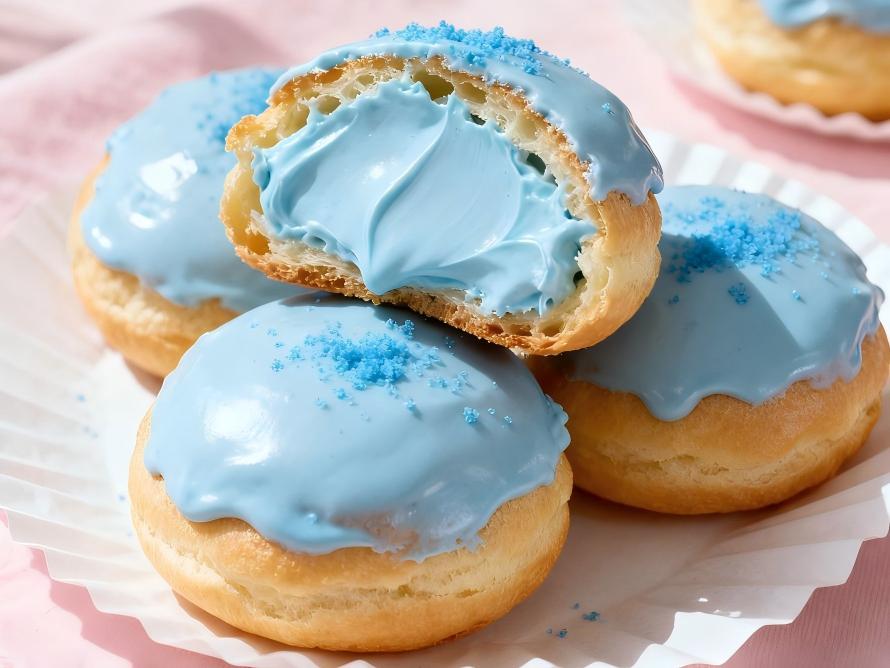
This shift from synthetic to natural ingredients represents not only a technological upgrade but also an inevitable industry evolution toward healthier, more transparent practices. In this transformation, phycocyanin is ushering in a new era of purity in food and beverages, delivering products that are both safe and visually appealing.
Part I: Phycocyanin: The Superior Choice for Natural Blue
Amid the wave of innovation in natural and healthy food and beverage products, phycocyanin is emerging as the ideal solution to replace synthetic blue dyes due to its unique advantages. It not only meets market demands for clean labels but also demonstrates exceptional properties in safety, stability, and functionality.
1. Natural Origin and Sustainability
Phycocyanin is a natural pigment protein extracted from spirulina, with its production process fully adhering to sustainable development principles. Unlike synthetic dyes that rely on petrochemical feedstocks, spirulina—the source of phycocyanin—is cultivated in strictly controlled aquatic environments without occupying arable land, ensuring a low-carbon, eco-friendly production process. This extraction from natural organisms guarantees the pigment's safety and renewability, fully aligning with modern consumers' expectations for “clean, green” products.
2. Exceptional Stability Performance
Through technological innovation, modern phycocyanin has achieved significant breakthroughs in stability:
· Thermal Stability: Withstands high-temperature processing up to 85°C, suitable for most food and beverage manufacturing conditions
· pH Adaptability: Maintains stability across a broad pH range of 3.0–8.0, meeting application needs from acidic beverages to neutral foods
· Light Stability: Advanced microencapsulation technology significantly enhances color retention under light exposure
Data from a third-party testing agency indicates that premium phycocyanin maintains over 85% color retention after six months in simulated shelf-life testing—fully meeting commercial application standards.
3. Safety Certification and Regulatory Compliance
Phycocyanin has gained regulatory approval in major global markets:
· Listed as a natural colorant in China's Food Additive Usage Standards
· The U.S. FDA grants it GRAS (Generally Recognized as Safe) status
· The EU approves it as a food coloring (E18)
· It also holds multiple professional certifications including organic and halal certifications
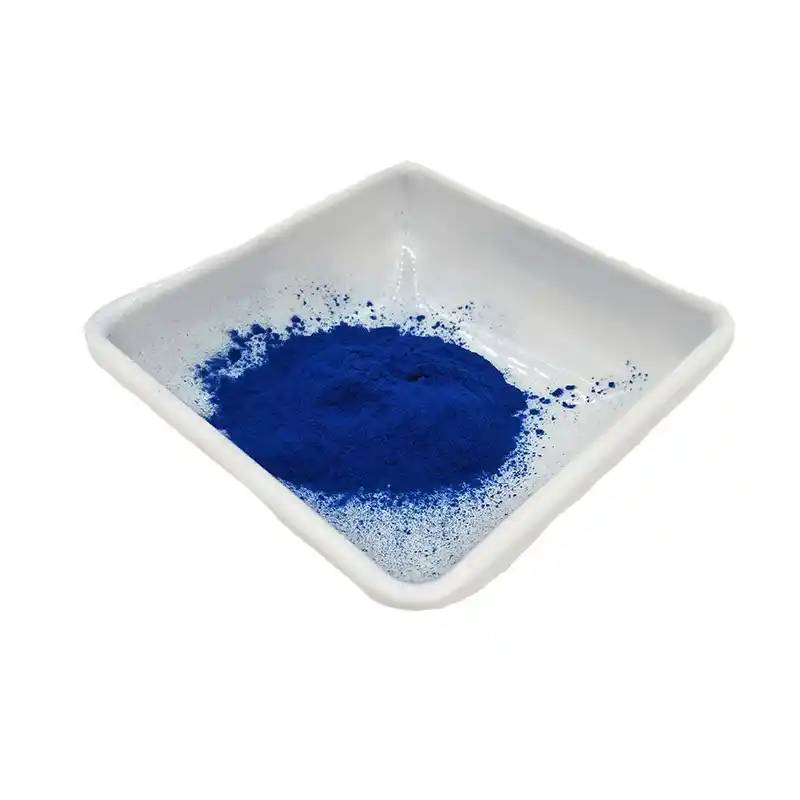
These authoritative certifications pave the way for phycocyanin's global adoption. A Quality Director at an international food company stated: “Phycocyanin's robust regulatory status allows us to confidently incorporate it into products exported worldwide.”
4. Dual Value in Nutrition and Functionality
Compared to synthetic colorants that merely provide color, phycocyanin offers unique nutritional benefits:
· Protein content exceeding 85%
· Rich in multiple essential amino acids
· Exhibits antioxidant and anti-inflammatory bioactivity
· Contributes to immune system enhancement
This comprehensive profile—combining color, flavor, and nutrition—positions phycocyanin as a preferred ingredient for developing functional food and beverage products. A nutrition expert notes: “Phycocyanin has made the leap from ‘coloring’ to ‘coloring + nutrition,’ fully aligning with the direction of modern food industry development.”
Through continuous technological innovation and stringent quality control, phycocyanin has proven itself not only as a substitute for synthetic blue dyes but also as a premium choice driving the food and beverage industry toward healthier, more natural upgrades.
Part II: Breakthroughs in Phycocyanin Applications: Redefining the Food and Beverage Color Landscape
As phycocyanin technology matures, its applications in food and beverages are expanding at an unprecedented pace. From beverages to baked goods, dairy products to confectionery, this natural blue pigment is demonstrating exceptional potential across diverse market segments.
1. Innovative Breakthroughs in Beverages
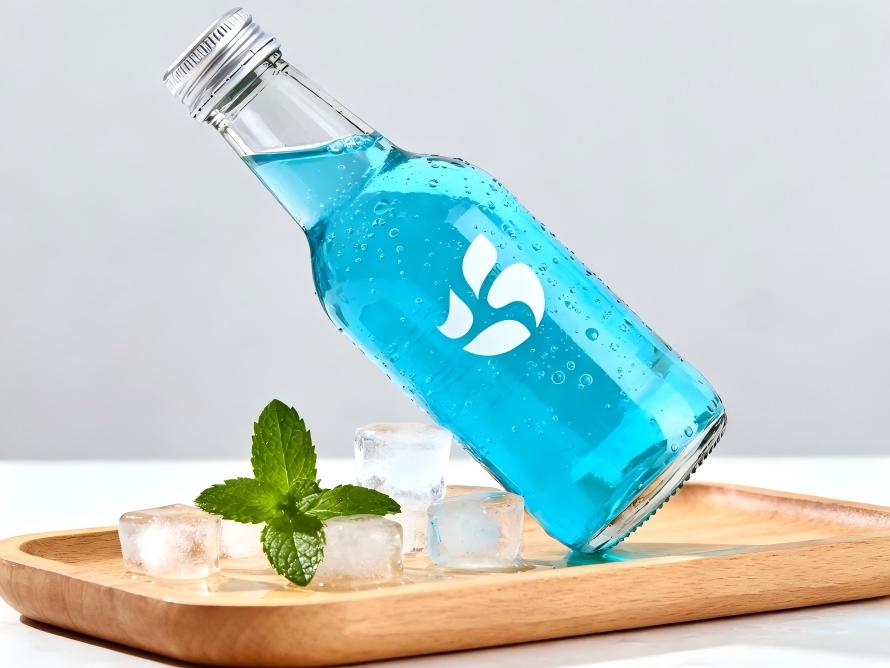
Within the beverage industry, phycocyanin is helping brands transcend traditional color limitations. A renowned sports drink brand's latest “Deep Sea Electrolyte Water” utilizes phycocyanin to achieve a clear azure blue hue. Maintaining an acidic pH of 3.5, the product retains over 90% of its color integrity throughout its six-month shelf life. The brand's R&D director stated: “Phycocyanin allows us to perfectly unify product aesthetics with clean label standards.”
Similarly, in the new-style tea beverage sector, multiple leading brands have begun incorporating phycocyanin into specialty drinks. Through precise formulation optimization, phycocyanin demonstrates excellent compatibility with ingredients like tea polyphenols and fruit juices. It maintains the beverage's crystal-clear transparency without compromising its original flavor profile.
2. Diversified Expansion in Food Applications
Baked Goods
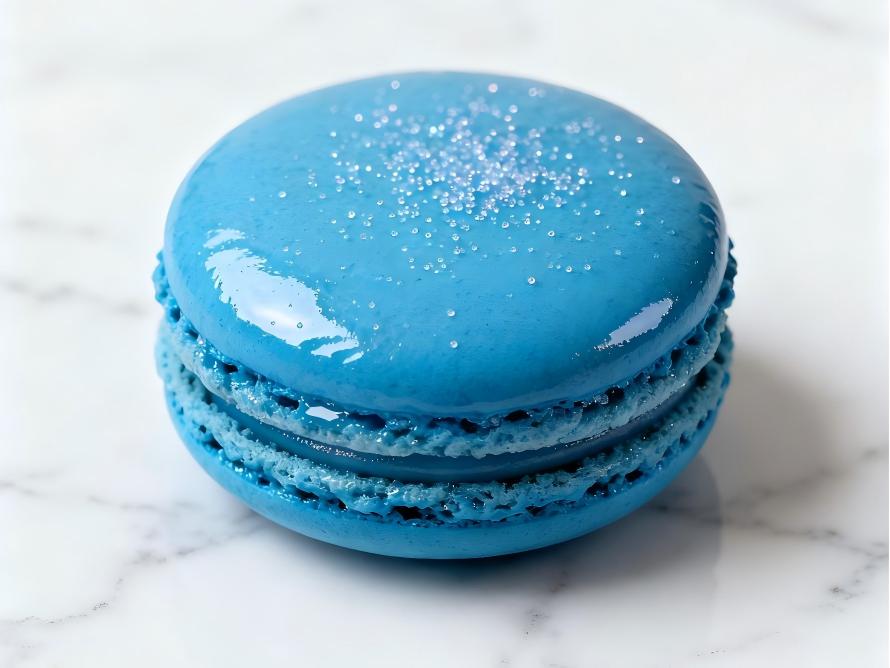
In the baking sector, phycocyanin demonstrates exceptional heat resistance. A premium bakery chain incorporated phycocyanin into its “Starlight Series” products. Even after baking at 180°C, the items retained their vivid blue color. This not only enhanced visual appeal but also enabled the brand to fulfill its “zero artificial additives” pledge, driving a 45% sales increase for the series post-launch.
Dairy Innovation
In dairy applications, phycocyanin's compatibility with milk proteins has been thoroughly validated. A dairy giant launched blue Greek yogurt using specialized stabilization technology to ensure even distribution of phycocyanin in acidic dairy systems. The product maintains color stability under refrigeration without compromising yogurt texture or taste.
Confectionery & Snacks
Candy manufacturers are also embracing this innovation. An international candy brand developed a novel blue gummy series using phycocyanin. The products demonstrate excellent light stability in transparent packaging while meeting consumer demand for clean labels.
3. Success Stories and Market Feedback
Multiple application cases demonstrate how phycocyanin is helping brands create tangible market value:
Case 1: Breakthrough in Functional Beverages
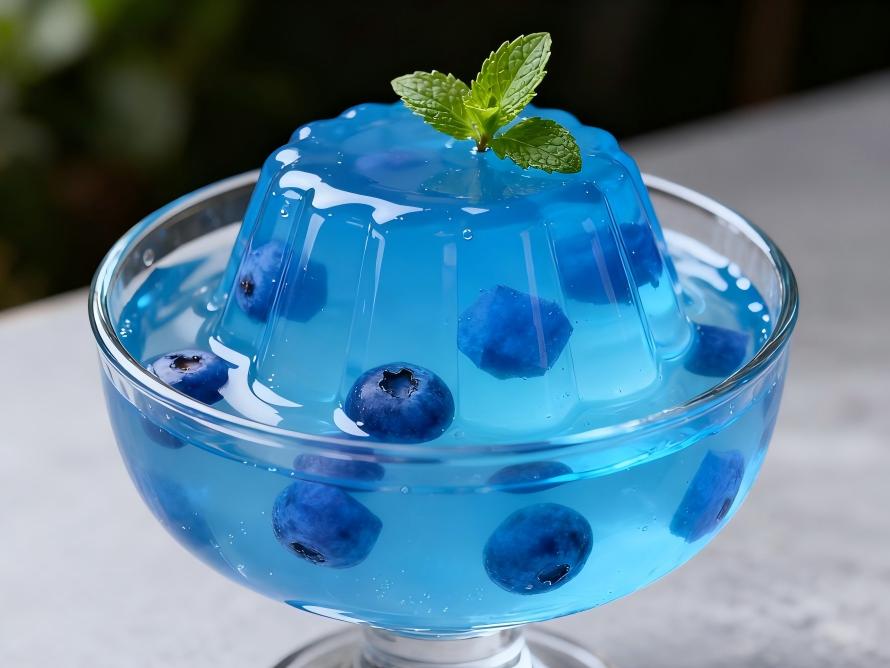
An emerging brand successfully developed the first naturally blue energy drink using phycocyanin. Upon launch, the product carved out a new niche in the competitive functional beverage market with its “no artificial colors” selling point, achieving sales exceeding ten million yuan in its first year.
Part III: Green Spring Technology: Pioneering the Pure Color Revolution
As an innovation leader in the phycocyanin industry, Green Spring Technology provides stable and reliable natural blue solutions for food and beverage companies through continuous R&D and stringent quality control, propelling the industry toward a new era of pure colors.
1. Technological Innovation and R&D Capabilities
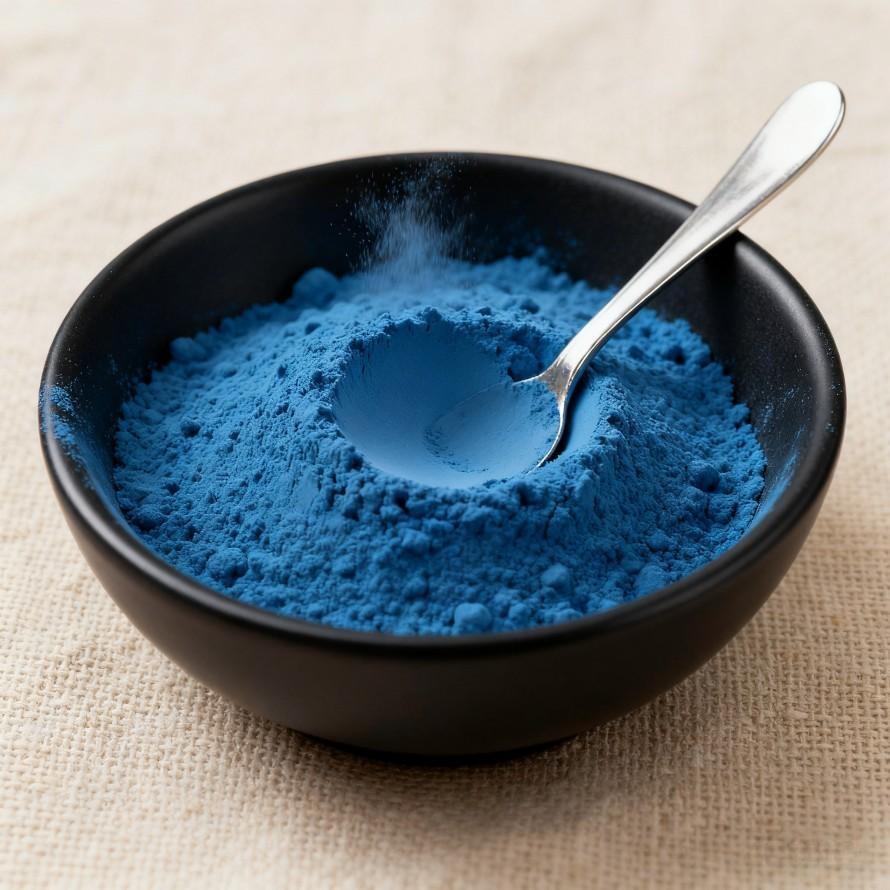
Green Spring Technology consistently prioritizes technological innovation as the core driver of corporate development. The company has invested heavily in establishing an industry-leading R&D center equipped with advanced extraction, purification equipment, and testing instruments. Through its proprietary “Triple Stability Technology,” we have successfully addressed the stability challenges of phycocyanin under thermal, light, and acidic conditions:
· Thermal Stability Breakthrough: Utilizing unique protein structure protection technology, phycocyanin can withstand high-temperature processing at 85°C while maintaining over 95% color value retention.
· Light Stability Innovation: Through microencapsulation technology, product stability under light exposure is significantly enhanced, extending shelf life by 40%.
· Acid Stability Optimization: Developed a series of products suitable for the pH range of 3.0-8.0, meeting diverse food system requirements.
Referencias:
[1] HOLMAN B W B, MALAU ADULI A E O. espirulina como suplemento para el ganado y alimento para animales [J]. Journal of Animal Physiology and Animal Nutrition, 2013, 97(4): 615-623.
[2] DING M L, YU Z Q. Spirulina Industry in China: Present status and future prospects[J]. Journal of Applied Phycology, 1997, 9(1):25-28.
-
anterior
Natural Astaxanthin: For Deeper, More Vivid Egg Yolk Color
-
siguiente
Choosing the Best Natural Astaxanthin: The Ultimate Source Comparison Guide